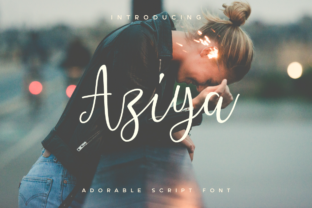
Aziya: A Feminine and Elegant Calligraphy Font for Stylish Design
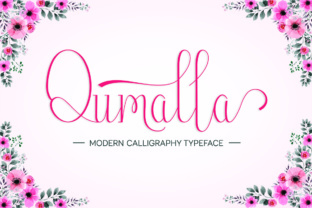
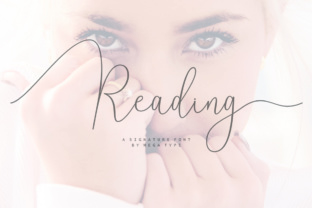
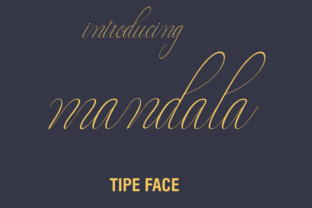
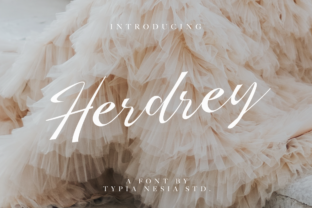
Aziya is a calligraphy font that blends modernity with traditional artistry, offering a unique balance of elegance and contemporary flair. Designed with a feminine touch, it appeals to those looking for a refined yet expressive typeface for various design projects. Whether used in branding, invitations, or digital media, Aziya stands out for its graceful curves and sophisticated structure.
Unlike many fonts that lean heavily into either traditional or modern styles, Aziya finds a middle ground, making it versatile enough for a wide range of applications. Its soft, flowing lines evoke a sense of romance, while the clean, structured elements provide a sense of order and professionalism. This duality makes it a compelling choice for designers who want to convey both warmth and precision in their work.
What Makes Aziya Unique?
Aziya distinguishes itself through its thoughtful design details. The font’s lowercase letters feature delicate serifs and fluid transitions, giving it an almost handwritten quality. At the same time, the uppercase characters maintain a strong, balanced form that ensures readability across different sizes and mediums. This combination of grace and clarity sets Aziya apart from other calligraphy fonts that may prioritize one aspect over the other.
The font also includes a variety of ligatures and alternate characters, allowing users to customize their designs further. These features are particularly useful for creating unique visual identities that stand out in competitive markets. Additionally, Aziya supports multiple languages, expanding its utility beyond English-based projects.
Another key feature is its adaptability. While it excels in romantic or feminine contexts, Aziya can also be used in more neutral or professional settings without losing its character. This flexibility makes it a valuable tool for designers working on diverse projects, from wedding invitations to corporate brochures.
Comparing Aziya with Similar Fonts
When evaluating calligraphy fonts, it’s important to consider how they align with specific design goals. Aziya shares similarities with other elegant scripts like Brush Script or Pacifico, but it offers a more refined and structured approach. These alternatives often have a more casual or artistic feel, which may not suit all design needs. Aziya, by contrast, maintains a level of polish that works well in both creative and commercial contexts.
Fonts such as Lobster or Great Vibes are also popular for their bold, decorative styles. However, they tend to be more attention-grabbing and less suitable for body text. Aziya, on the other hand, balances aesthetics with functionality, making it a better option for longer texts or multi-page layouts where readability is essential.
In comparison to more minimalist fonts like Montserrat or Lato, Aziya brings a distinct personality. While these sans-serif options are ideal for clean, modern designs, they lack the ornamental appeal that Aziya provides. For projects that require a touch of sophistication or emotional resonance, Aziya can enhance the overall visual storytelling.
Strengths and Best Fit for Aziya
Aziya’s greatest strength lies in its ability to convey emotion and style without sacrificing legibility. It is particularly effective in designs that aim to evoke a sense of romance, femininity, or nostalgia. This makes it a strong candidate for branding campaigns targeting women, luxury products, or events with a personal or artistic focus.
For example, a boutique fashion brand might use Aziya in its logo and packaging to communicate a sense of elegance and exclusivity. Similarly, a wedding planner could incorporate the font into invitations and promotional materials to create a cohesive, romantic theme. In these scenarios, Aziya enhances the visual narrative and reinforces the intended message.
The font also performs well in digital environments, such as websites or social media graphics. Its clear structure ensures that it remains readable even at smaller sizes, while its aesthetic adds a touch of refinement. This makes it a practical choice for designers who want to maintain a consistent visual identity across platforms.
Limitations and Tradeoffs
Despite its strengths, Aziya may not be the best fit for every project. Its calligraphic style can sometimes feel too ornate for highly functional or minimalistic designs. In such cases, a simpler font might be more appropriate, as it would allow the content to take center stage without unnecessary visual distractions.
Additionally, Aziya’s unique character set and ligatures may require some adjustment when used in certain software or platforms. Designers should ensure that their tools support the font’s full range of features to avoid unexpected formatting issues. This consideration is especially important for large-scale projects or those involving multiple collaborators.
Another potential tradeoff is the font’s availability. While Aziya is widely accessible through most font marketplaces, it may not be included in all default system fonts. This means that users must download and install it separately, which could be a minor inconvenience for some workflows.
When Aziya Is the Right Choice
Aziya is an excellent choice when the goal is to add a sense of charm, sophistication, or individuality to a design. It works well for projects that benefit from a humanized, artistic touch, such as branding for beauty products, artisanal services, or creative industries. Its versatility also allows it to complement other fonts in mixed-typeface designs, providing a harmonious balance between style and clarity.
For instance, a designer creating a website for a lifestyle blog might pair Aziya with a sans-serif font for headings and body text. This combination would allow the calligraphy to stand out while maintaining readability and a modern feel. Similarly, a marketing team developing a campaign for a high-end product could use Aziya to reinforce the brand’s image of elegance and craftsmanship.
Alternatives to Consider
If Aziya’s style does not align with a particular project’s needs, there are several alternatives worth exploring. For a more casual, handwritten look, fonts like Dafont’s Mochi or Quicksand may be more suitable. These options offer a relaxed, approachable vibe that can work well for informal or community-focused designs.
For those seeking a more dramatic or bold script, fonts like Playfair Display or Cinzel Decorative could be better choices. These options emphasize visual impact and are ideal for headlines, titles, or signage where strong typography is needed. However, they may not be as adaptable for extended text or subtle design elements.
Ultimately, the decision between Aziya and other fonts depends on the specific goals of the project. By understanding the strengths and limitations of each option, designers can make informed choices that best serve their creative vision and audience needs.