Stika: A Versatile and Feminine Font for Modern Design
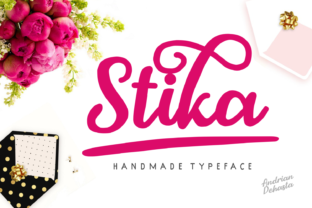
When it comes to typography, the right font can make a significant difference in how a message is received. Stika is one such font that combines elegance with strength, making it ideal for a wide range of design projects. Its feminine yet robust character allows it to stand out while maintaining readability, which is essential for any effective visual communication.
The Unique Characteristics of Stika
Stika is designed with clean lines and a natural flow, which makes it easy on the eyes. This script font has a softness that gives it a feminine appeal, but it also possesses the structural integrity needed for more demanding typographic applications. The balance between delicacy and strength is what sets Stika apart from other fonts in its category.
One of the most notable features of Stika is its versatility. Whether used in headlines, logos, or display text, it adapts well to different contexts. Its fluidity allows for smooth transitions between letters, creating a sense of movement that can enhance the overall aesthetic of a design.
Practical Applications of Stika
Designers often look for fonts that can serve multiple purposes without compromising quality. Stika fits this need perfectly. In branding, for example, it can be used to create a memorable logo that conveys both grace and confidence. Its ability to maintain clarity at various sizes ensures that it remains legible whether it's on a business card or a large banner.
In the realm of digital design, Stika is particularly useful for web and app interfaces. Its readability makes it suitable for headings and titles, where it can draw attention without being overwhelming. When paired with more neutral typefaces, it adds a touch of personality that can elevate the user experience.
For print media, Stika offers a refined look that can complement both modern and traditional designs. It works well in fashion, beauty, and lifestyle publications, where a touch of femininity is often desired. Its adaptability means it can be used in everything from magazine covers to packaging, providing a cohesive visual identity across different platforms.
Why Choose Stika for Your Projects?
There are several reasons why designers might choose Stika over other fonts. One of the primary factors is its ease of use. Unlike some script fonts that can be difficult to read, Stika maintains a level of clarity that makes it accessible for a wide audience. This is especially important when the font is used in body text or other areas where legibility is crucial.
Another advantage of Stika is its compatibility with different design styles. Whether you're working on a minimalist layout or a more elaborate composition, it can blend seamlessly into the overall design. This flexibility is a major benefit for designers who want to maintain a consistent look across various elements of a project.
Additionally, Stika's aesthetic appeal makes it a popular choice for creative professionals looking to add a unique touch to their work. Its combination of femininity and strength can convey a specific mood or brand identity, depending on how it's used. This makes it a valuable tool for anyone involved in visual storytelling or brand development.
Stika in Different Industries
The applications of Stika extend beyond just graphic design. In the fashion industry, for instance, it can be used to create labels, tags, and promotional materials that reflect the brand's personality. Its elegant appearance aligns well with the aesthetics of many fashion houses, making it a go-to choice for designers who want to maintain a high level of sophistication.
In the beauty sector, Stika can be employed in product packaging, advertisements, and social media content. Its soft curves and flowing lines evoke a sense of luxury and care, which is often associated with beauty products. By using Stika, brands can communicate a sense of refinement that resonates with their target audience.
Even in the tech industry, Stika finds its place. While it may not be the first choice for body text in software interfaces, it can be used effectively in UI elements such as buttons, icons, and headers. Its ability to add a human touch to digital experiences makes it a valuable asset for user interface designers looking to create more engaging interactions.
Considerations When Using Stika
While Stika is a powerful font, there are some considerations to keep in mind when incorporating it into a design. One of the most important is the context in which it will be used. For example, if the font is intended for a professional setting, it may need to be paired with more formal typefaces to maintain an appropriate tone.
Another factor to consider is the size at which Stika will be displayed. Although it is readable at larger sizes, it may not be the best choice for small text due to its intricate details. Designers should test the font in different sizes to ensure that it meets the needs of the project.
Finally, it's worth noting that while Stika is versatile, it may not be suitable for every design. Some projects may require a more rigid or structured font to convey a specific message. In such cases, it's important to evaluate whether Stika aligns with the overall vision of the design.
Stika as a Tool for Creative Expression
For artists and designers, Stika offers a way to express creativity while maintaining professionalism. Its unique style allows for personalization without sacrificing clarity, making it an excellent choice for those who want to stand out in a competitive market. Whether it's for a personal project or a client's brand, Stika provides a foundation for artistic expression that is both functional and beautiful.
By choosing Stika, designers can add a distinctive element to their work that reflects their individuality while meeting the practical demands of the project. This balance between form and function is what makes Stika a valuable addition to any designer's toolkit.