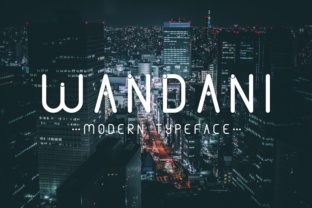
Wandani: The Enigma of a Decorative Yet Minimalist Font
In the world of typography, fonts play a crucial role in shaping visual identity and communication. One such font that has captured the attention of designers and typographers alike is Wandani. This unique sans serif typeface blends elegance with simplicity, making it a popular choice for those looking to add a touch of sophistication to their designs. In this article, we will explore what makes Wandani stand out, its purpose, and how it can be effectively used in various contexts.
What Is Wandani?
Wandani is more than just a font—it's an enigma that combines decorative elements with a minimalist aesthetic. Designed with a focus on clarity and readability, it offers a fresh approach to typography that appeals to both beginners and seasoned professionals. The font’s name itself evokes a sense of mystery, which aligns with its visual characteristics.
Unlike traditional serif fonts that often convey a sense of formality, Wandani leans into a modern, clean look. Its design is influenced by the principles of minimalism, where less is more. This means that each letterform is carefully crafted to maintain a balance between visual interest and functional usability.
The Design Philosophy Behind Wandani
The creation of Wandani was driven by a desire to break away from the conventional norms of typography. The designer aimed to produce a font that could be used across different platforms and media while maintaining a cohesive look. This philosophy is evident in the font's versatility, as it works well in both digital and print formats.
One of the key aspects of Wandani's design is its use of negative space. By strategically leaving areas of the letters unoccupied, the font creates a sense of openness and airiness. This not only enhances readability but also adds a layer of visual interest that can elevate any design project.
Another notable feature of Wandani is its subtle variations in weight and style. While it primarily functions as a sans serif, the font includes alternate characters and ligatures that allow for greater customization. These features make it a valuable tool for designers who want to express creativity without sacrificing legibility.
The Purpose and Significance of Wandani
Typography serves multiple purposes, from conveying information to establishing brand identity. Wandani, with its unique blend of decoration and minimalism, is particularly effective in scenarios where a designer wants to create a memorable visual impact.
For businesses, using a font like Wandani can help differentiate their brand from competitors. In a crowded market, having a distinctive typeface can make a significant difference in how a brand is perceived. Wandani’s clean lines and elegant curves contribute to a professional yet approachable image.
Additionally, Wandani is ideal for projects that require a modern aesthetic. Whether it's a website, logo, or marketing material, the font can enhance the overall visual appeal while maintaining a level of sophistication. Its versatility allows it to be used in a variety of contexts, from casual to formal settings.
Practical Relevance in Modern Life
In today's digital age, typography plays a vital role in how information is presented and consumed. With the rise of online content, the importance of choosing the right font has never been higher. Wandani’s design ensures that text remains readable even on small screens, making it suitable for mobile-first design approaches.
Moreover, the font's minimalist nature aligns with current trends in design. Many industries are moving towards simpler, more streamlined aesthetics, and Wandani fits perfectly into this shift. Its ability to adapt to different styles and formats makes it a valuable asset for designers working across various platforms.
For educators and students, understanding the significance of fonts like Wandani can provide insight into the broader field of graphic design. It highlights the importance of thoughtful design choices and how they can influence the effectiveness of communication. By studying fonts like Wandani, individuals can develop a deeper appreciation for the art of typography.
How Wandani Fits Into Modern Work and Creativity
Designers and creatives often seek fonts that offer both functionality and flair. Wandani meets these criteria by providing a balance between artistic expression and practical application. Its design encourages experimentation, allowing users to explore different ways of presenting text without compromising on quality.
One of the most appealing aspects of Wandani is its ability to work well with other design elements. Whether paired with bold colors, intricate illustrations, or simple backgrounds, the font maintains its integrity and contributes to a harmonious composition. This makes it a go-to choice for designers looking to create visually engaging content.
Furthermore, Wandani's compatibility with various design software ensures that it can be easily integrated into existing workflows. Most design tools support the font, making it accessible to a wide range of users. This accessibility is particularly beneficial for independent designers and small businesses that may have limited resources.
Examples of Wandani in Action
To better understand how Wandani can be used, let's consider a few examples:
- Branding: A startup might use Wandani for its logo to create a modern and memorable identity. The font's clean lines and elegant curves can help establish a professional image that resonates with target audiences.
- Web Design: A website focused on lifestyle or fashion could incorporate Wandani into its typography to enhance the visual appeal. The font's readability ensures that content remains easy to consume, even on smaller devices.
- Print Materials: Brochures, business cards, and posters can benefit from the use of Wandani. Its minimalist design allows for a sleek and sophisticated look that stands out in physical formats.
These examples illustrate the versatility of Wandani and how it can be adapted to suit different needs and preferences.
Common Misconceptions About Wandani
Despite its growing popularity, there are some misconceptions about Wandani that are worth addressing. One common assumption is that minimalist fonts lack personality. However, Wandani proves that this is not the case. Its unique design elements and subtle variations ensure that it retains a distinct character, even when used in simple contexts.
Another misconception is that Wandani is only suitable for certain types of projects. In reality, its adaptability makes it applicable to a wide range of design scenarios. Whether it's for a high-end brand or a personal project, Wandani can be customized to meet specific requirements.
It's also important to note that while Wandani is a decorative font, it does not sacrifice readability. The font's design prioritizes clarity, ensuring that text remains legible even at smaller sizes. This makes it a reliable choice for both digital and print applications.
Conclusion
In conclusion, Wandani is a remarkable example of how typography can combine beauty with functionality. Its minimalist yet decorative style makes it a versatile choice for a wide range of design projects. By understanding the principles behind its design and exploring its practical applications, users can unlock its full potential.
Whether you're a designer looking to elevate your work or a business owner seeking to create a strong brand identity, Wandani offers a unique solution that can make a lasting impression. As the design landscape continues to evolve, fonts like Wandani will remain essential tools for those who value both aesthetics and effectiveness in their creations.