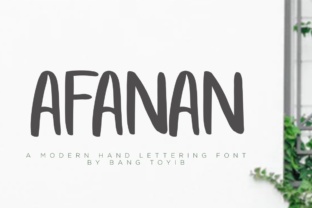
Afanan: A Handmade Brush Font That Brings Playful Charm to Your Designs
If you're looking for a font that adds a relaxed, handmade vibe to your projects, Afanan is a strong contender. This brush-style font offers a unique blend of creativity and versatility, making it ideal for everything from logos and branding to social media graphics and print materials. But while its charm is undeniable, there are some key considerations to keep in mind to ensure you get the most out of this font.
Understanding what Afanan is and how it can be used effectively is essential. Designed with a casual, artistic touch, Afanan is perfect for those who want to infuse their work with a sense of warmth and personality. However, like any design tool, it's not a one-size-fits-all solution. Knowing when and how to use it properly can make all the difference between a polished look and something that feels unrefined.
The Appeal of Afanan: Why It’s Worth Considering
Afanan stands out because of its handmade aesthetic. Unlike many digital fonts that feel stiff or overly structured, Afanan has a natural, organic feel that mimics real brush strokes. This makes it particularly appealing for creative projects that aim to convey a personal or artisanal touch. Whether you're designing a wedding invitation, a book cover, or a marketing campaign, Afanan can add a refreshing visual element that sets your work apart.
Its playful nature also makes it a great choice for brands targeting younger audiences or those looking to communicate a more approachable image. The font's soft curves and uneven edges give it a friendly, inviting quality that can help build emotional connections with viewers.
Mistakes to Avoid When Using Afanan
One common mistake is using Afanan in situations where clarity and professionalism are paramount. While its charm is a strength, it can also be a weakness if not used appropriately. For example, using Afanan in a corporate report or legal document might come off as unprofessional or even confusing. The font's irregularities can make it harder to read at smaller sizes or in dense text blocks.
Another issue is overusing the font. Many designers fall into the trap of applying Afanan to every element of a design, which can lead to visual clutter and a lack of hierarchy. Instead of enhancing the message, it can distract from it. A better approach is to use Afanan selectively—perhaps as a headline or accent rather than the main body text.
Some users also overlook the importance of testing Afanan in different contexts. What looks good on a screen may not translate well to print, or vice versa. Before finalizing a project, it's wise to see how the font appears in various formats and sizes. This helps avoid last-minute surprises that could compromise the overall quality of the work.
Key Considerations Before Using Afanan
Before incorporating Afanan into your design, consider the purpose of the project. Ask yourself: Is this a creative, informal piece, or does it require a more traditional look? If the latter, you may need to pair Afanan with a more neutral typeface to balance the design.
Also, pay attention to the font's licensing terms. Some handmade fonts may have restrictions on commercial use, so it's important to verify that Afanan is suitable for your intended application. Downloading from unauthorized sources can also pose risks, such as malware or poor-quality files. Always obtain Afanan from reputable platforms to ensure you're getting a safe and reliable version.
Finally, think about the audience. If your target readers are likely to be visually sensitive or have specific accessibility needs, Afanan may not be the best choice. In such cases, a more readable, structured font might be more appropriate.
Practical Tips for Getting the Most Out of Afanan
To use Afanan effectively, start by experimenting with different weights and styles. Many brush fonts offer variations that can help you achieve the right balance between style and readability. Try adjusting the spacing and size to see how it affects the overall look.
When pairing Afanan with other fonts, choose a complementary typeface that doesn't clash. A simple sans-serif or serif font can provide contrast and help guide the viewer's eye through the design. This approach ensures that Afanan remains a highlight rather than a distraction.
Don’t forget to test your designs across multiple devices and platforms. What looks great on a desktop monitor may not appear the same on a mobile screen. Testing helps ensure that your work maintains its visual appeal and functionality across different environments.
Conclusion: Afanan as a Thoughtful Design Choice
Afanan is a powerful tool for adding a playful, handmade touch to your designs. Its unique character makes it a valuable asset for creative professionals, but it requires thoughtful application to avoid potential pitfalls. By understanding its strengths and limitations, you can use Afanan to enhance your work without compromising clarity or effectiveness.
Whether you're a designer, marketer, or small business owner, Afanan offers an opportunity to express personality and creativity. Just remember to use it wisely, and you'll find that it can elevate your projects in ways that feel both authentic and impactful.