Jaqueline: A Delicate Font for Romantic and Feminine Designs
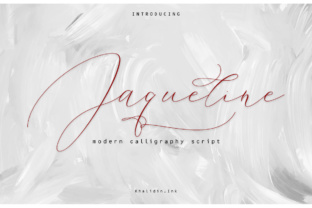
Jaqueline is a font that exudes elegance and grace, making it ideal for projects that require a soft, feminine touch. Its thin and delicate strokes give it a refined appearance, perfect for use in editorial designs, personal signatures, or any context where a subtle yet striking visual presence is needed. Whether you're a designer, a business owner, or an individual looking to add a touch of sophistication to your work, Jaqueline offers a unique aesthetic that can elevate your design projects.
What Makes Jaqueline Unique?
Jaqueline stands out due to its distinct visual characteristics. The font features extremely fine lines and intricate details that create a sense of delicacy and refinement. This makes it particularly well-suited for applications where a romantic or editorial feel is desired. Unlike more robust typefaces, Jaqueline doesn't dominate the space; instead, it complements other design elements with its lightness and fluidity.
The font's structure is carefully crafted to maintain readability while preserving its elegant form. Each letter is designed with precision, ensuring that even in smaller sizes, the font remains legible and visually appealing. This balance between aesthetics and functionality is one of the reasons why Jaqueline has become a favorite among designers who want to convey a sense of sophistication without sacrificing clarity.
Key Features of Jaqueline
- Thin Strokes: The font’s slender lines contribute to its delicate and refined look.
- Soft Curves: Smooth, flowing curves enhance the font's romantic and feminine appeal.
- High Contrast: The contrast between thick and thin strokes adds visual interest and depth.
- Open Letterforms: The open structure of each character gives the font a light and airy feel.
Where Can You Use Jaqueline?
Jaqueline is most commonly used as a display or signature font, where its visual impact can be fully appreciated. It works exceptionally well in editorial layouts, such as magazine covers, book titles, or fashion campaigns, where a sophisticated and artistic tone is essential. Its delicate nature also makes it suitable for wedding invitations, greeting cards, and branding materials that aim to evoke a sense of romance or femininity.
For professionals, Jaqueline can be used in logo design, especially for businesses that want to project an image of elegance and refinement. It is also popular among artists and illustrators who incorporate it into their work to add a personal and artistic flair. In digital contexts, the font can be used in web design, social media graphics, or app interfaces where a subtle but stylish typography is desired.
Who Benefits from Using Jaqueline?
Jaqueline is particularly beneficial for individuals and businesses that prioritize aesthetics and emotional resonance in their visual communication. Creators who work in the fashion, beauty, or lifestyle industries often find that this font aligns well with their brand identity. It can also be useful for small business owners looking to differentiate their brand through unique and expressive typography.
Additionally, designers who are looking for alternatives to more traditional fonts may find Jaqueline to be a valuable addition to their typographic toolkit. Its versatility allows it to be used in both print and digital formats, making it a practical choice for a wide range of projects.
Considerations When Using Jaqueline
While Jaqueline is a beautiful and distinctive font, it is important to consider its limitations. Due to its thin strokes and intricate details, it may not be the best choice for large blocks of text. In such cases, it is recommended to pair it with a more readable font to ensure overall legibility.
Another consideration is the availability of the font. Depending on the platform or software being used, access to Jaqueline may vary. It is advisable to check compatibility before incorporating it into a project. Additionally, users should be aware of licensing terms, as some fonts may have restrictions on commercial use.
Real-World Applications of Jaqueline
One common application of Jaqueline is in the creation of wedding stationery. Couples often choose this font for invitations, thank-you notes, and other formal documents to convey a sense of elegance and tradition. Its soft appearance complements the romantic theme of weddings, making it a popular choice among couples and event planners.
In the world of fashion, designers and brands use Jaqueline to create logos and branding materials that reflect a refined and artistic identity. For example, a boutique clothing line might use the font in its logo to emphasize a connection to style, beauty, and sophistication. Similarly, a beauty brand could use Jaqueline in its packaging or marketing materials to evoke a sense of luxury and exclusivity.
On a more personal level, individuals may use Jaqueline in DIY projects, such as handmade cards, scrapbooks, or personalized gifts. Its delicate and artistic qualities make it ideal for creating meaningful and visually appealing items that reflect individual style and creativity.
How to Evaluate if Jaqueline Is Right for Your Project
Determining whether Jaqueline is suitable for your project involves considering several factors. First, assess the purpose of your design. If the goal is to create a romantic, feminine, or editorial feel, then Jaqueline is likely a good fit. However, if the design requires a more bold or functional typeface, it may not be the best option.
Next, think about the audience you are targeting. If your audience values aesthetics and subtlety, Jaqueline can help reinforce the desired tone. On the other hand, if the audience prefers clarity and simplicity, a different font may be more effective.
Finally, test the font in your specific context. Preview how it looks in different sizes, colors, and backgrounds to ensure it meets your design needs. Experimentation can help you determine whether Jaqueline enhances or detracts from your overall visual message.
Conclusion
Jaqueline is a font that brings a unique blend of elegance and delicacy to any design project. Its thin strokes, soft curves, and high contrast make it ideal for applications that require a romantic or feminine aesthetic. While it may not be the best choice for large blocks of text, its visual appeal and versatility make it a valuable tool for designers, creators, and business owners alike.
By understanding its strengths, limitations, and appropriate use cases, you can make an informed decision about whether Jaqueline is the right font for your next project. Whether you're designing for a wedding, a fashion brand, or a personal creative endeavor, Jaqueline offers a refined and expressive way to communicate your vision.