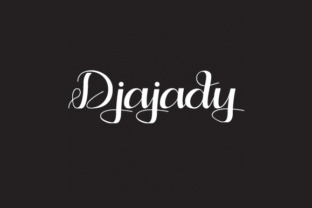
Djajady: A Simple Handwritten Font for Elegant Designs
Djajady is a handwritten font that blends simplicity with elegance, making it an ideal choice for a variety of design projects. Whether you're working on a personal logo, a marketing campaign, or a creative project, Djajady offers a unique touch that can elevate your work. Its clean lines and natural flow make it easy to read while still maintaining a stylish appearance.
For designers, content creators, and small business owners, Djajady provides a versatile tool that can enhance visual communication. Its handwritten style adds a personal and authentic feel, which can be especially valuable in branding, social media posts, and printed materials. Understanding how to use Djajady effectively can help you achieve more professional and engaging results.
Why Djajady Matters for Your Design Work
In a world where digital typography dominates, the appeal of handwritten fonts like Djajady lies in their ability to bring warmth and individuality to designs. Unlike rigid, mechanical fonts, Djajady mimics the natural variation of human handwriting, giving your work a more organic and approachable look. This can be particularly beneficial when trying to connect with an audience on a more personal level.
For instance, if you're creating a wedding invitation, a personalized greeting card, or a branded message, Djajady can add a touch of sophistication without being overly complex. It's perfect for situations where you want to convey a sense of care and attention to detail. The font’s balance between readability and style ensures that it works well in both digital and print formats.
Practical Benefits of Using Djajady
One of the key advantages of Djajady is its versatility. It can be used in a wide range of design contexts, from headings and titles to body text and captions. This makes it a valuable addition to any font collection, especially for those who need a reliable script that can adapt to different projects.
For entrepreneurs and marketers, Djajady can help create visually appealing content that stands out. In social media posts, email newsletters, or website headers, it can draw attention while maintaining a professional tone. Its elegant appearance also makes it suitable for luxury brands, boutique businesses, and creative agencies looking to establish a distinct identity.
Who Can Benefit Most from Djajady?
Designers, bloggers, and content creators will find Djajady particularly useful for adding a personal flair to their work. Educators and students may appreciate its readability for handouts, presentations, or creative assignments. Small business owners can use it to enhance their branding, whether it's for a logo, packaging, or promotional material.
Freelancers and independent artists often rely on unique fonts to differentiate their work. Djajady offers a fresh alternative to more common script fonts, allowing them to express their creativity without compromising clarity. For those who prioritize aesthetics and functionality, Djajady strikes the right balance between style and usability.
Realistic Use Cases for Djajady
Consider a scenario where a local bakery wants to update its menu design. By using Djajady for the menu headings, the bakery can create a warm and inviting atmosphere that reflects its artisanal values. Similarly, a blogger writing about lifestyle or wellness topics might use Djajady for section headers to give their content a more personal and engaging feel.
Another example is a nonprofit organization looking to create a compelling fundraising poster. Djajady can be used for the headline to draw attention while maintaining a professional and trustworthy appearance. Its simplicity ensures that it doesn’t overshadow the message but instead enhances it with a touch of elegance.
Limitations and Considerations
While Djajady is a great font for many applications, it may not be suitable for all types of design work. For instance, in large blocks of text, such as long articles or reports, it could be less readable compared to more traditional typefaces. Users should also consider the context in which they’re using the font—some formal settings may require a more structured and polished appearance.
It’s always a good idea to test Djajady in different sizes and formats before finalizing a design. This helps ensure that it maintains its legibility and visual appeal across various platforms. Comparing it with other similar fonts can also help determine if it’s the best fit for a particular project.
How to Incorporate Djajady Into Your Workflow
Adding Djajady to your design toolkit is straightforward. Many graphic design software programs, such as Adobe Photoshop, Illustrator, and Canva, allow users to install and use custom fonts. Once installed, Djajady can be applied to text layers, headings, or decorative elements depending on the project needs.
For those who are new to using handwritten fonts, starting with a few key elements—such as a logo or title—can help build confidence. Experimenting with different sizes, colors, and spacing can also reveal new ways to utilize Djajady effectively. Over time, this font can become a go-to choice for adding a unique and sophisticated touch to your designs.
Final Thoughts on Djajady
Djajady is more than just a font—it’s a design asset that can enhance the visual storytelling of your work. Its combination of simplicity, elegance, and readability makes it a practical choice for a wide range of applications. Whether you're looking to add a personal touch to your branding or create more engaging content, Djajady offers a valuable solution that aligns with modern design trends.
By understanding its strengths and limitations, you can make informed decisions about when and how to use Djajady. As part of a thoughtful design strategy, this font can help you communicate more effectively, stand out in a competitive market, and express your creative vision with confidence.