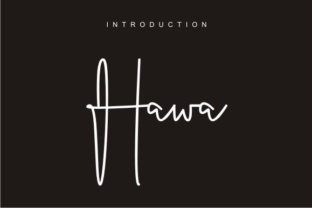
Discover the Elegance of Hawa: A Signature Typeface for Modern Design
In the ever-evolving world of design, typography plays a crucial role in shaping visual identity and communication. Among the many typefaces that have emerged in recent years, Hawa stands out as a stunning and versatile option that combines aesthetic appeal with functional flexibility. This thin, monoline font is not just another addition to the digital type library—it’s a powerful tool for creators, entrepreneurs, and professionals looking to elevate their visual storytelling.
Designed with an extended baseline, Hawa offers a unique balance between elegance and readability. Its clean lines and refined structure make it ideal for display purposes, while its monoline construction ensures consistency and clarity across different mediums. Whether you're working on a brand identity project, a magazine layout, or a digital campaign, Hawa provides a sophisticated look that commands attention without sacrificing legibility.
The Rise of Signature Typefaces in Modern Design
The popularity of signature typefaces has surged in recent years, driven by the growing demand for distinctive and personalized visual elements. In an industry where differentiation is key, designers are increasingly turning to custom fonts to create a unique brand voice. Hawa fits perfectly into this trend, offering a fresh and modern alternative to traditional serif and sans-serif fonts.
As businesses and creatives seek to stand out in a crowded market, the use of signature typefaces like Hawa has become a strategic choice. These fonts allow for greater creative freedom and help establish a strong visual identity that resonates with audiences. With its extended baseline, Hawa adds a touch of sophistication that can transform ordinary text into something truly remarkable.
Moreover, the rise of digital media and social platforms has further amplified the importance of typography. In a world where first impressions are often made through visual content, the right typeface can make all the difference. Hawa is well-suited for both print and digital applications, making it a valuable asset for designers who need to maintain consistency across multiple channels.
Why Hawa is Gaining Attention
What makes Hawa particularly appealing is its ability to adapt to a wide range of design contexts. Unlike some typefaces that may be too bold or too delicate for certain projects, Hawa strikes a perfect balance. Its thin strokes and monoline structure give it a light and airy feel, while the extended baseline adds a sense of depth and dimensionality that enhances its visual impact.
This versatility has made Hawa a favorite among designers working on editorial projects, such as magazines, newspapers, and books. Its refined appearance is ideal for headlines, subheadings, and other display elements that require both style and clarity. At the same time, its clean and uncluttered design makes it suitable for more minimalist layouts, where simplicity is key.
Another reason Hawa is gaining traction is its compatibility with modern design workflows. As more designers embrace digital tools and cloud-based collaboration, the need for fonts that work seamlessly across platforms has never been greater. Hawa is available in multiple formats and supports a wide range of languages, making it a practical choice for international projects and multilingual content.
How Hawa Fits Into Broader Trends
The emergence of Hawa reflects broader shifts in the design and technology industries. One of the most significant trends in recent years has been the move toward more expressive and individualized design elements. As brands strive to connect with audiences on a deeper level, the use of custom typography has become a key strategy for creating memorable and impactful visuals.
Additionally, the increasing focus on user experience (UX) and accessibility has influenced the development of new typefaces. While Hawa is primarily designed for display purposes, its clean and readable structure ensures that it remains accessible even at smaller sizes. This makes it a practical choice for designers who want to maintain visual interest without compromising usability.
From a business perspective, the adoption of signature typefaces like Hawa also aligns with the growing emphasis on brand authenticity. In a competitive market, companies are looking for ways to differentiate themselves and build a strong brand identity. By using a unique and well-crafted font, businesses can reinforce their brand message and create a more cohesive visual language.
Practical Applications of Hawa
One of the most compelling aspects of Hawa is its wide range of applications. Whether you're designing a logo, creating a website, or developing a marketing campaign, this typeface can add a touch of elegance and sophistication. Its thin strokes and extended baseline make it particularly effective for headlines and titles, where visual impact is essential.
For example, a fashion brand might use Hawa to create a striking headline for a new collection, emphasizing the exclusivity and refinement of their products. Similarly, a tech startup could incorporate Hawa into their website design to convey a sense of innovation and modernity. In both cases, the font helps to reinforce the brand's identity and create a lasting impression on the audience.
Another practical use of Hawa is in editorial design. Magazines and publications often rely on strong typographic choices to guide readers through content and create a visually engaging layout. With its refined structure and extended baseline, Hawa is well-suited for headings, captions, and other display elements that require both style and clarity.
Furthermore, Hawa can be used in conjunction with other typefaces to create a balanced and harmonious design. For instance, pairing it with a more traditional serif font can add contrast and visual interest, while combining it with a sans-serif typeface can create a modern and cohesive look. This flexibility makes it a valuable asset for designers who need to adapt their work to different contexts and requirements.
The Future of Typography and Hawa’s Role
As the design industry continues to evolve, the role of typography will only become more important. With the rise of AI-generated content, augmented reality, and immersive experiences, the need for high-quality and expressive typefaces is more critical than ever. Hawa is positioned to play a key role in this future, offering a blend of aesthetics, functionality, and adaptability that meets the demands of modern design.
Looking ahead, we can expect to see more experimentation with typography as designers push the boundaries of what is possible. Hawa represents a step in that direction, offering a fresh and innovative approach to type design that can inspire creativity and drive visual storytelling. As more professionals recognize its potential, its influence is likely to grow across various industries and disciplines.
In conclusion, Hawa is more than just a beautiful typeface—it’s a powerful tool for designers, marketers, and creators who want to make a lasting impression. With its elegant structure, extended baseline, and versatile applications, it offers a unique solution for those seeking to elevate their visual communication. Whether you're working on a personal project or a commercial campaign, Hawa is a font worth considering for its ability to combine style with substance.